<
Performative film and journalistic practice meet as intertwined ways of working. This page presents a selection of meetings.
Dogjesus (2018–2025 ongoing)
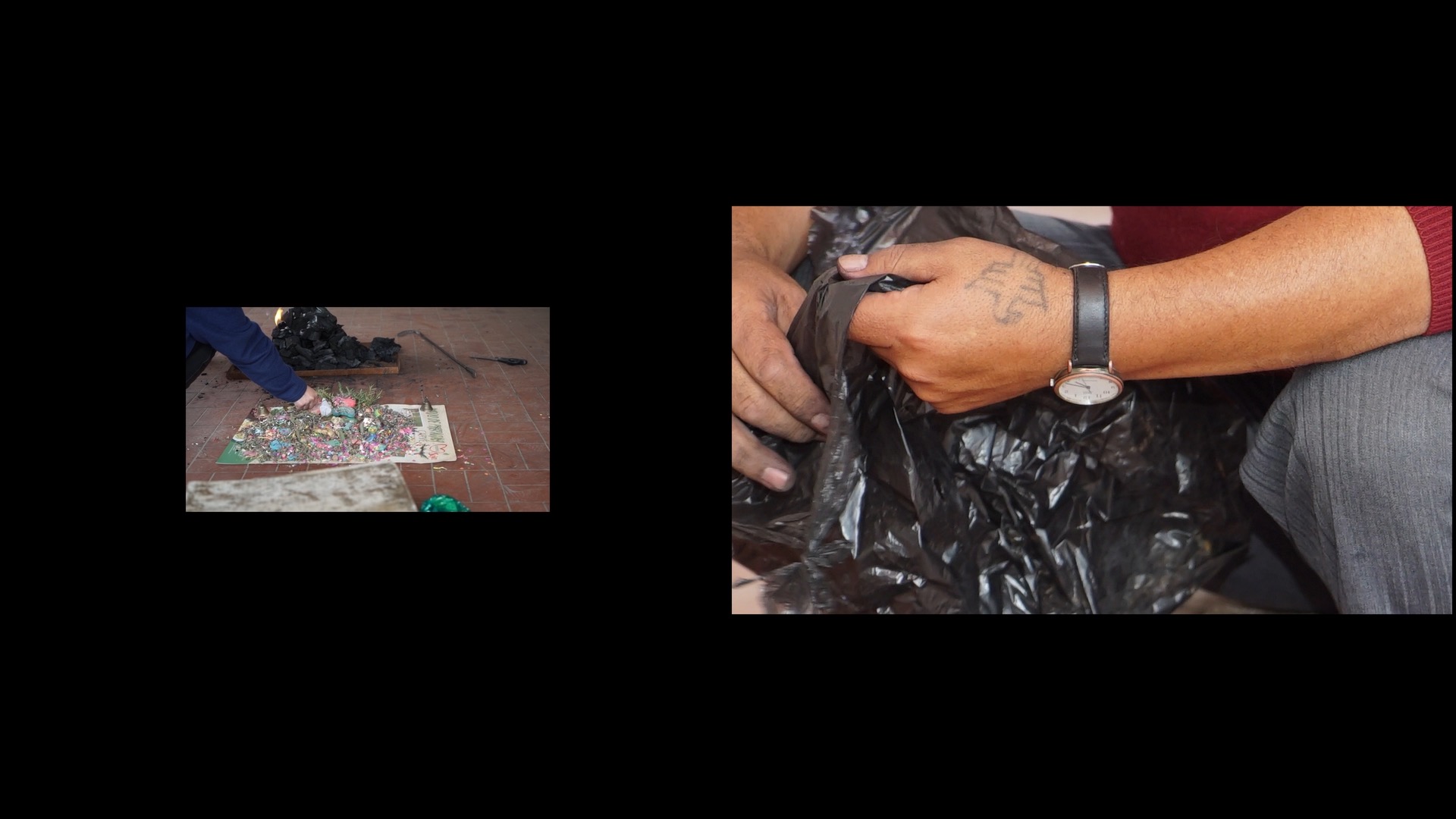
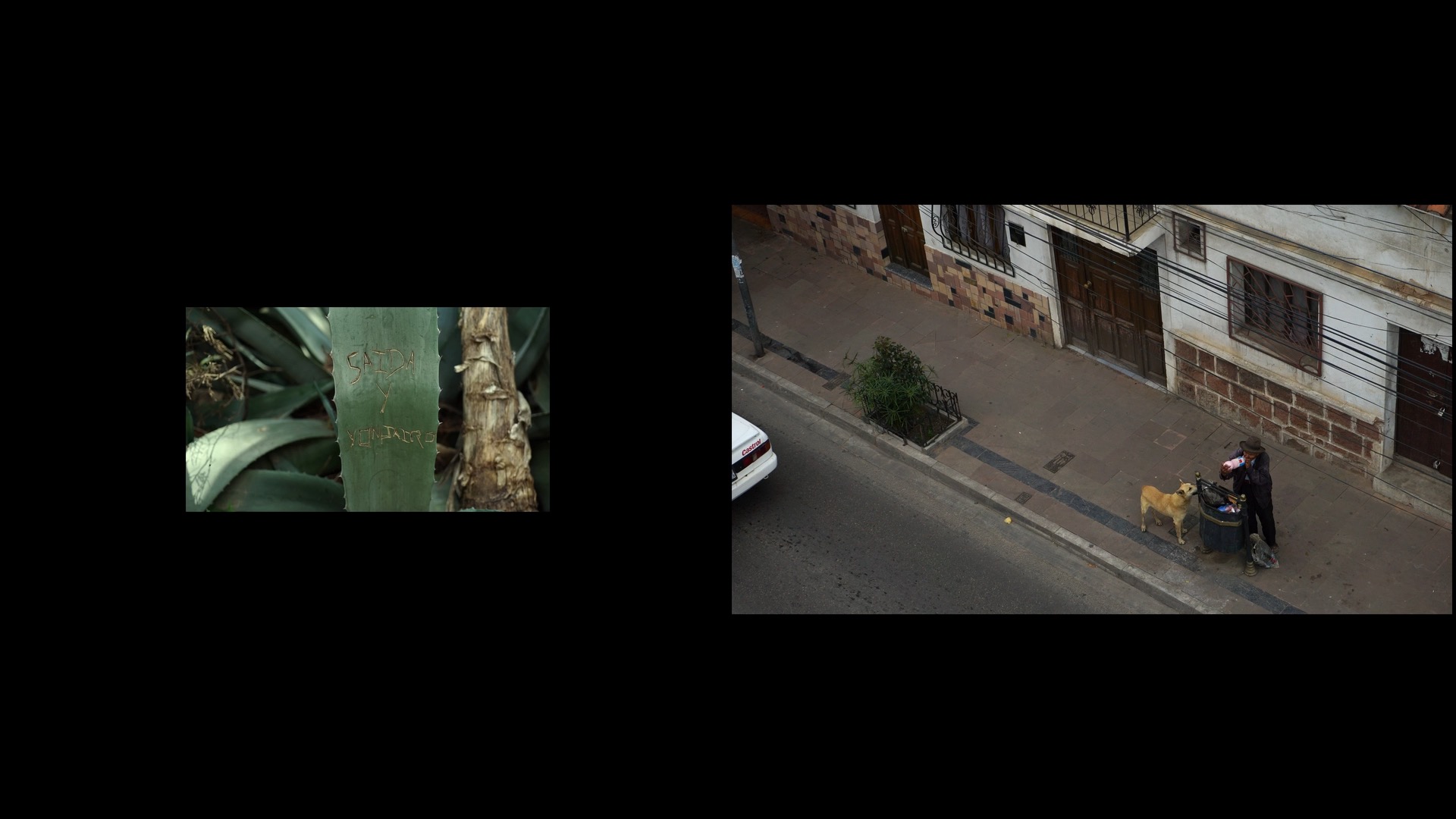
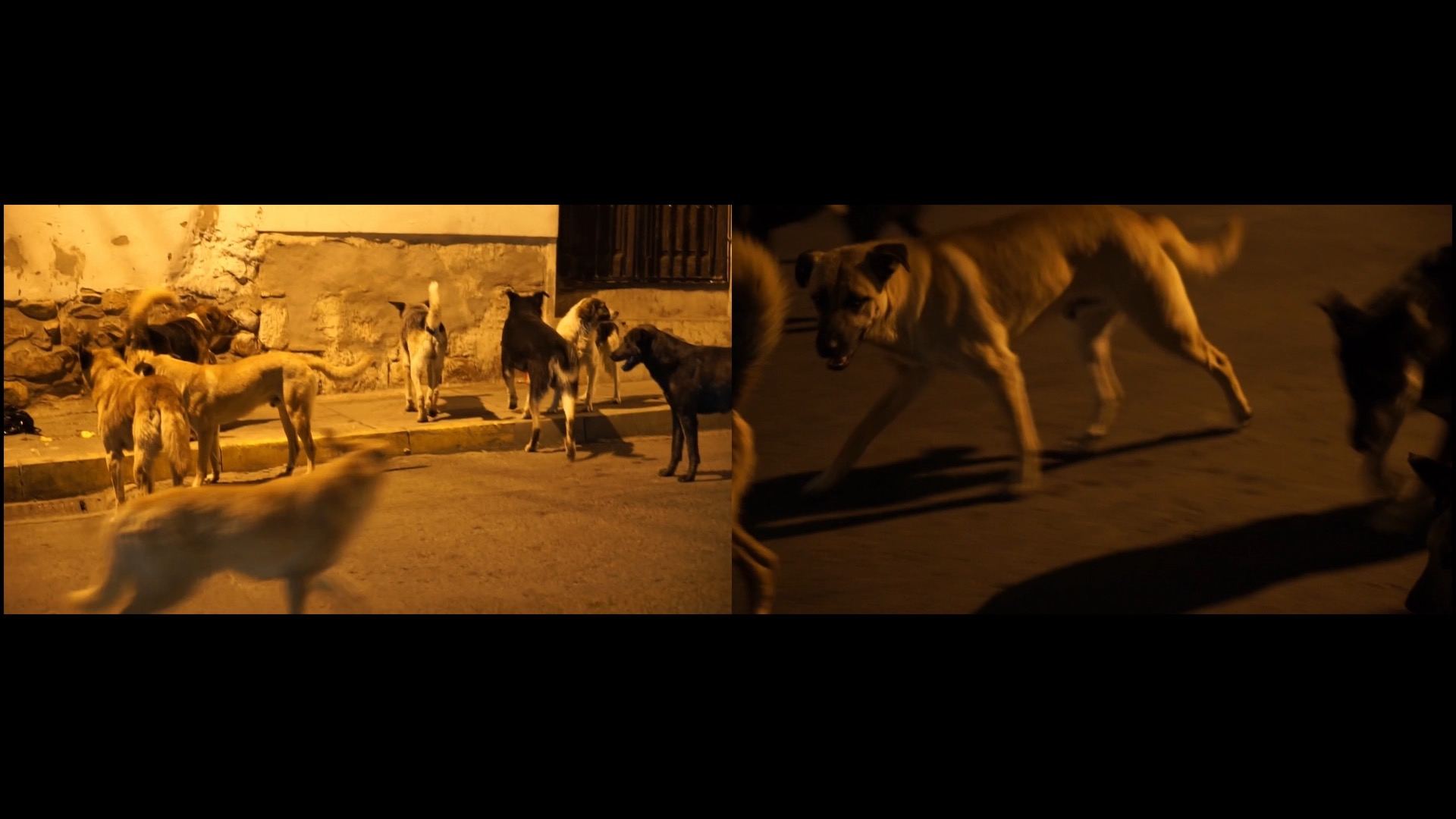
Based on field research, the work documents the presence of stray dogs in everyday urban and rural life in Bolivian towns and villages. The research emerged from tours made in 2018–2019 while accompanying people to different communities and secrect meetings. Bolivia is a vast country. Roads are long and often challenging, and communities are spread across wide fields and large distances. This sense of time and distance shaped the rhythm of the work, combining journalistic photography and film while people and dogs wait together.
I wanna carry you all on my back
Audiovisual installation, Color 4K, 15:00.
Presented at Diskurs Berlin 9.11–1.12.2023 and at Artnight Kreuzlingen/Konstanz, Apollo Kino 23.–27.3.2023.
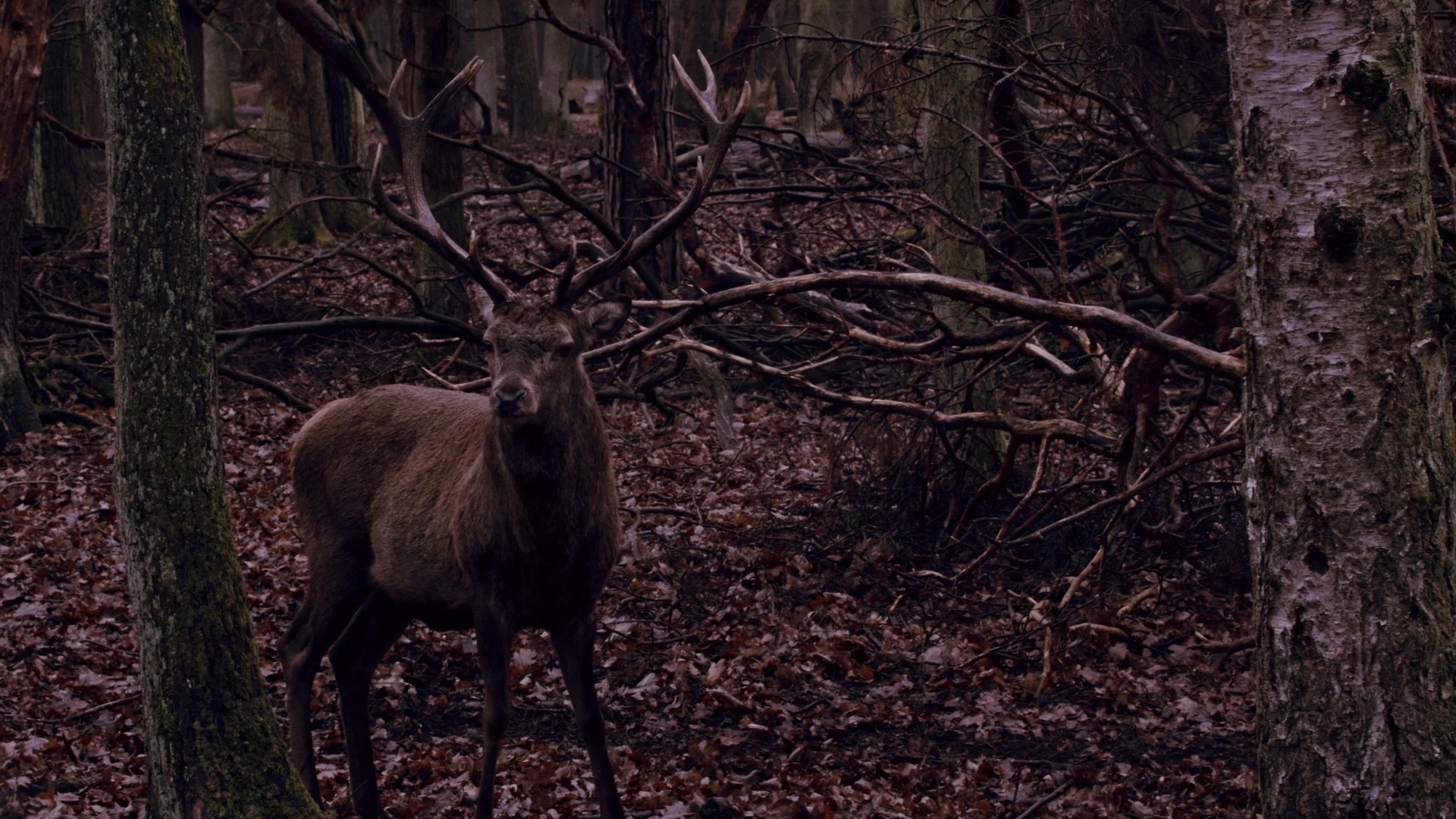
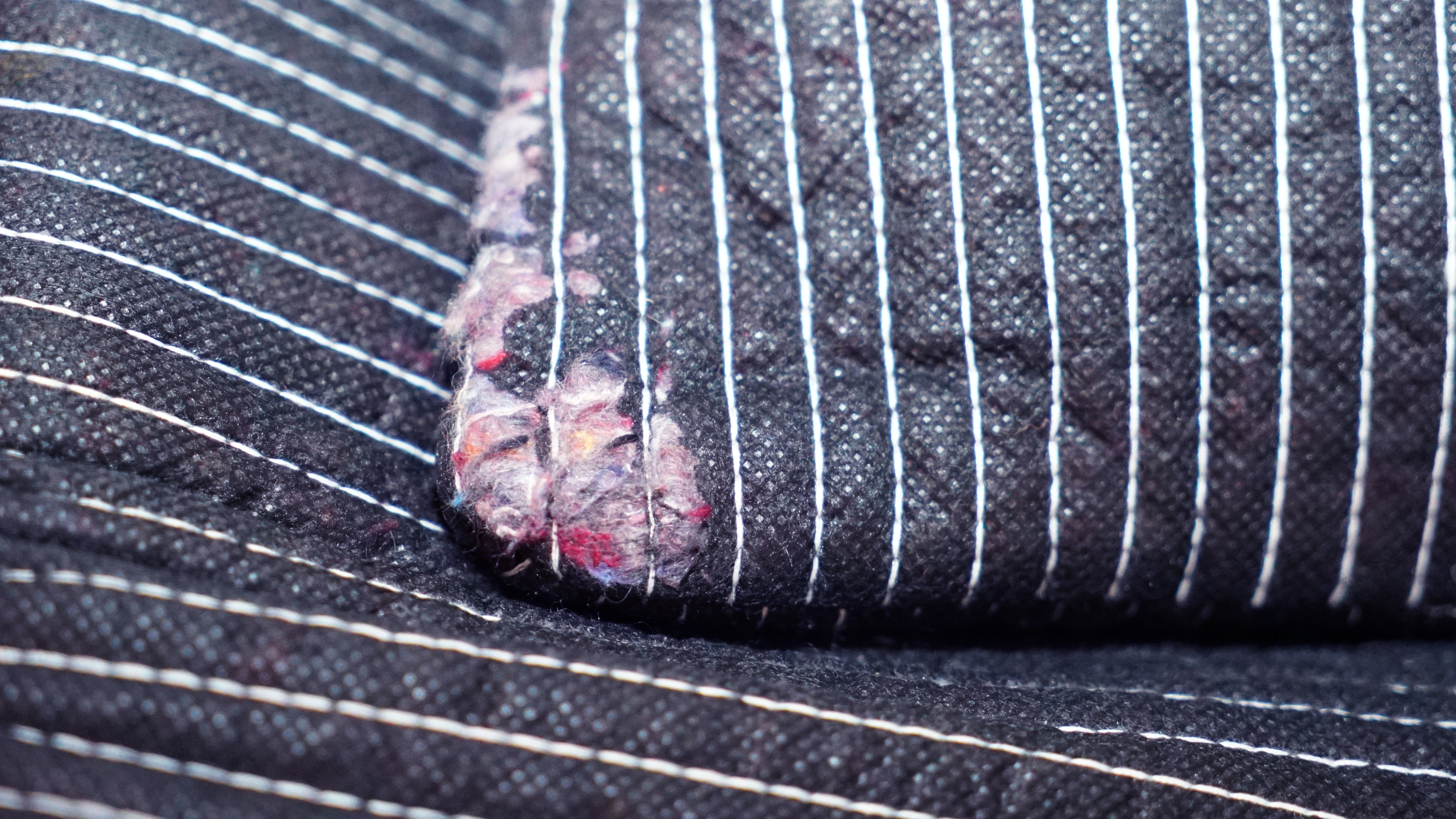
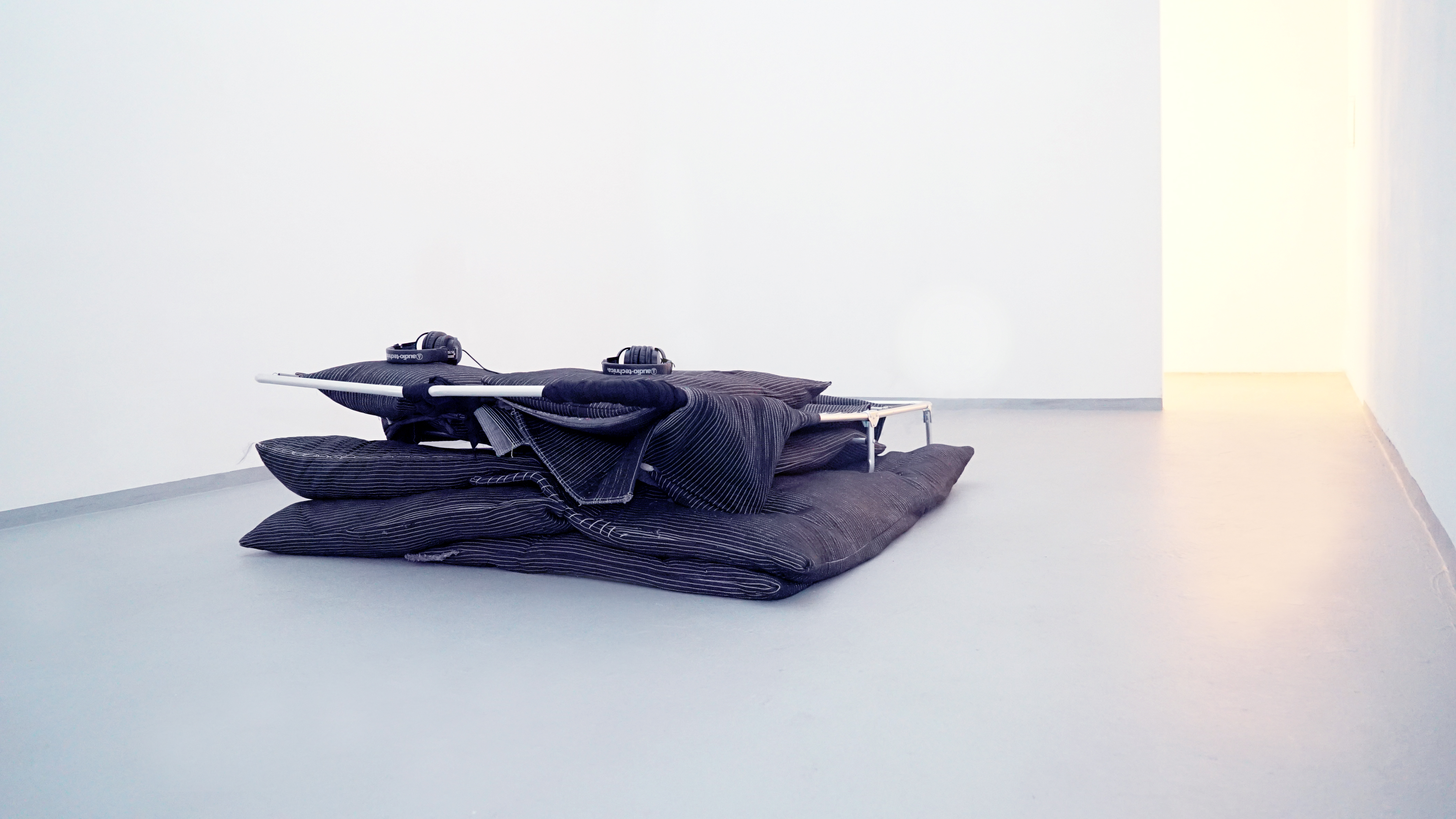
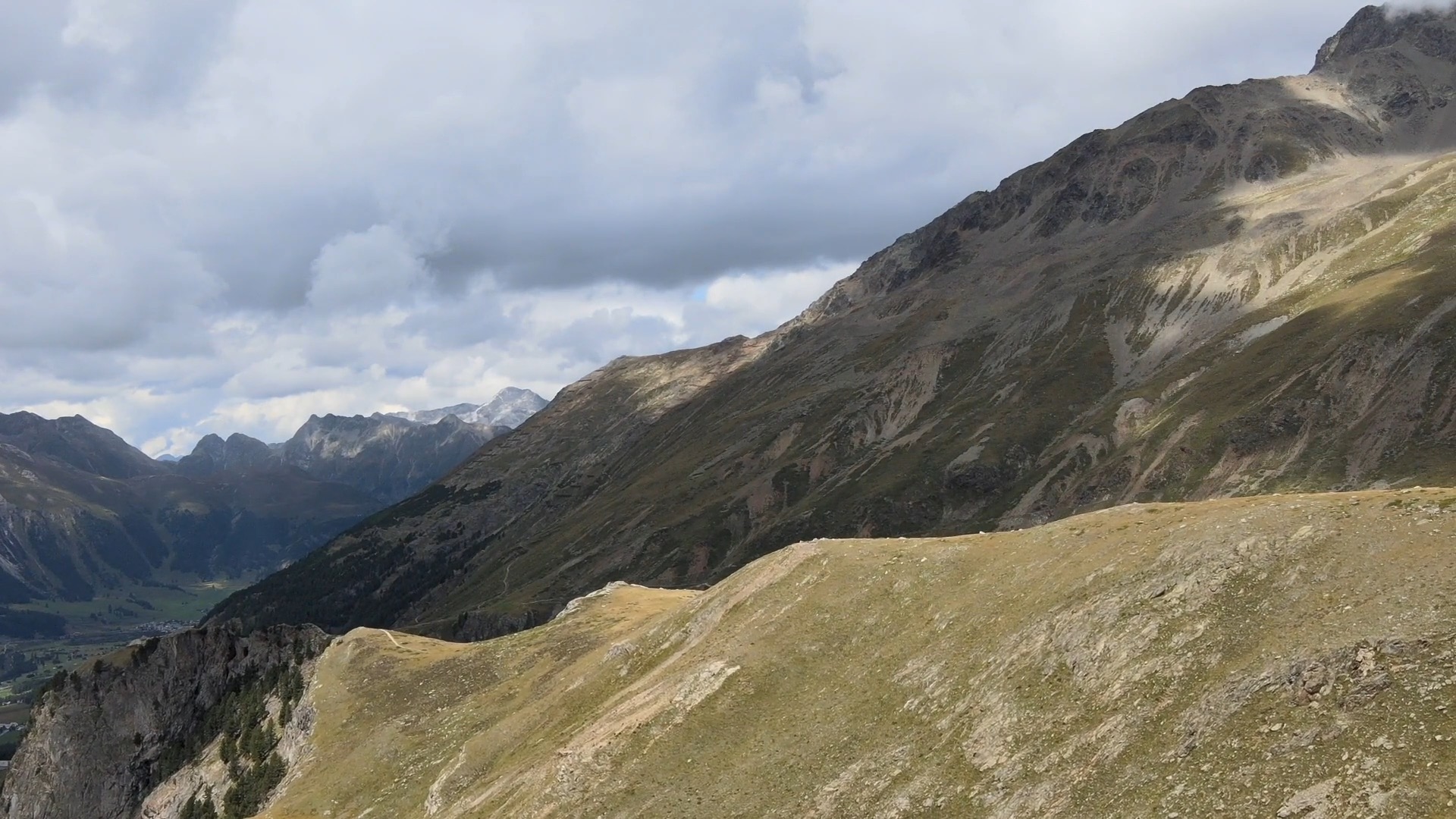
This installation offers a perspective on movement through the forest. The camera moves close to the ground, swimming through various habitats. Moving with personal observation, the piece reflects on coexistence, vulnerability and resistance. First seeing the world through the eyes of another creature, and later maybe through their own. The installation includes sculptural elements made from recycled blankets. Soft and protective, these are arranged in a swimming position and can be held onto. The installation’s dimensions are variable and adapt to the exhibition space.
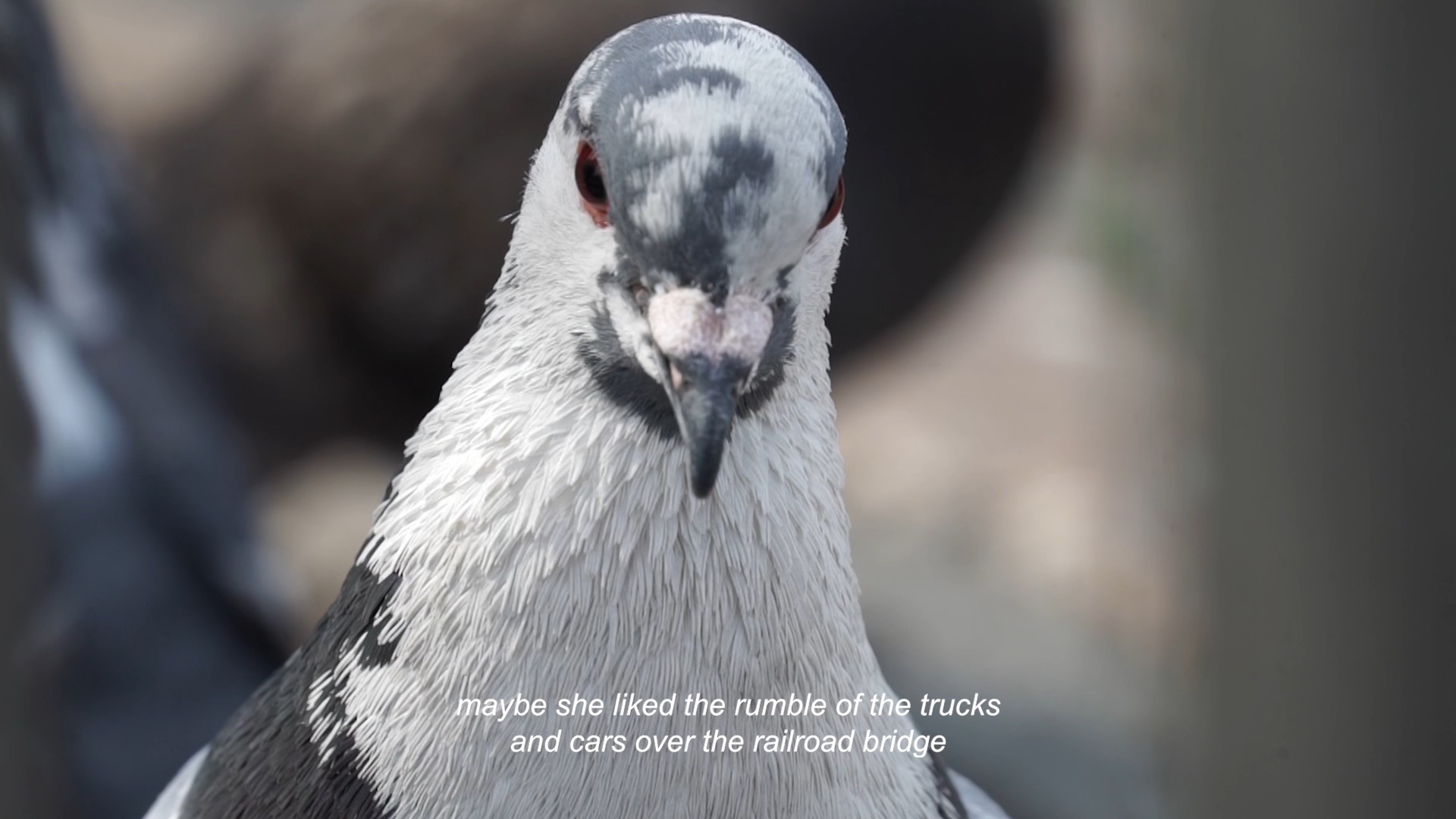
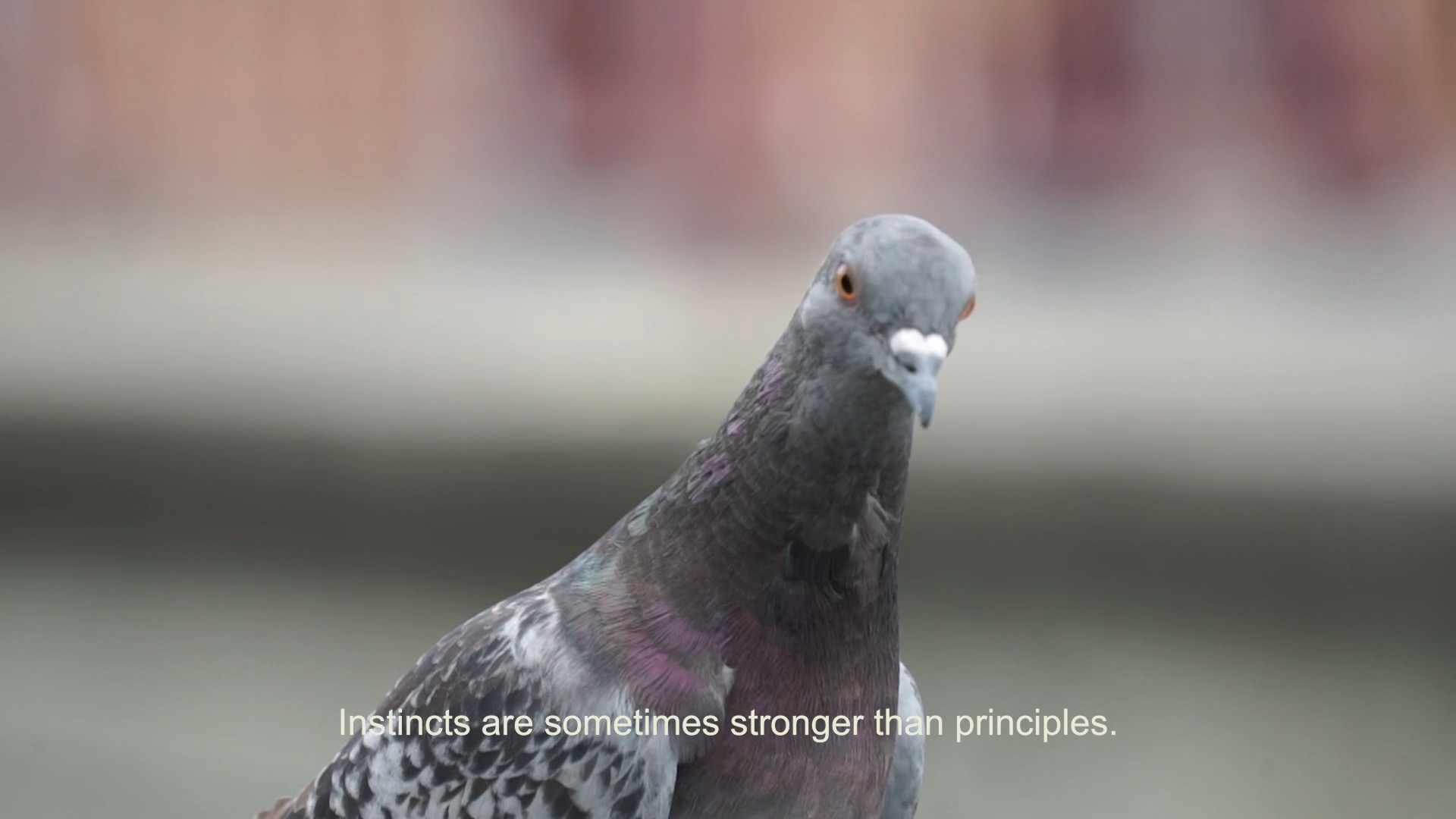
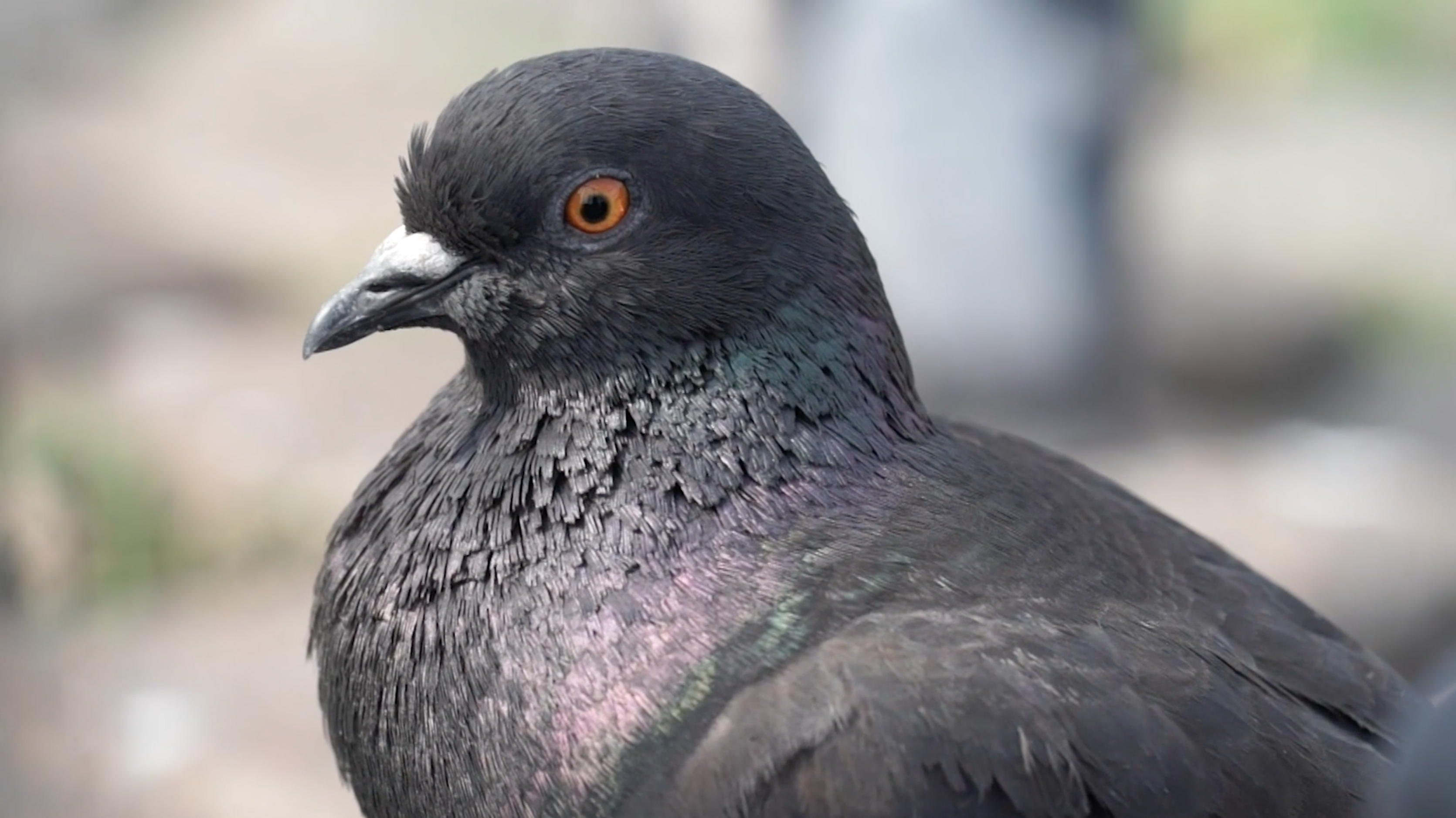
Queen of the Hill is a video exploring rock pigeons in Berlin. Filmed close-up, the pigeons appear large, and their feathers and colors shine in detail. The work combines observation, real-time voice-over, and poetic reflections inspired by thinkers such as Bruno Latour and Donna Haraway, exploring the well-being of urban birds. It reflects on interspecies relationships and everyday coexistence, presenting each pigeon as a queen in its territory.
Agua y Mujer — Mujeres Diversas. Sembrando Agua, Cosechando Vida
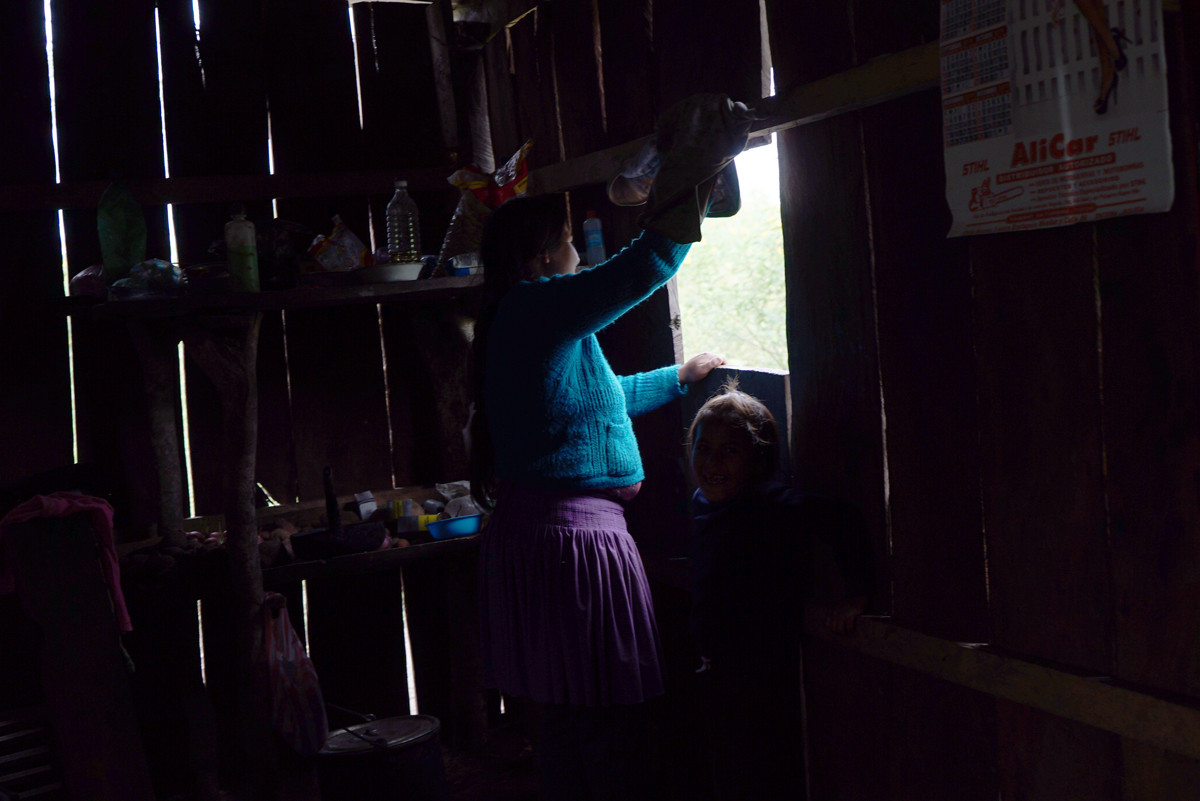
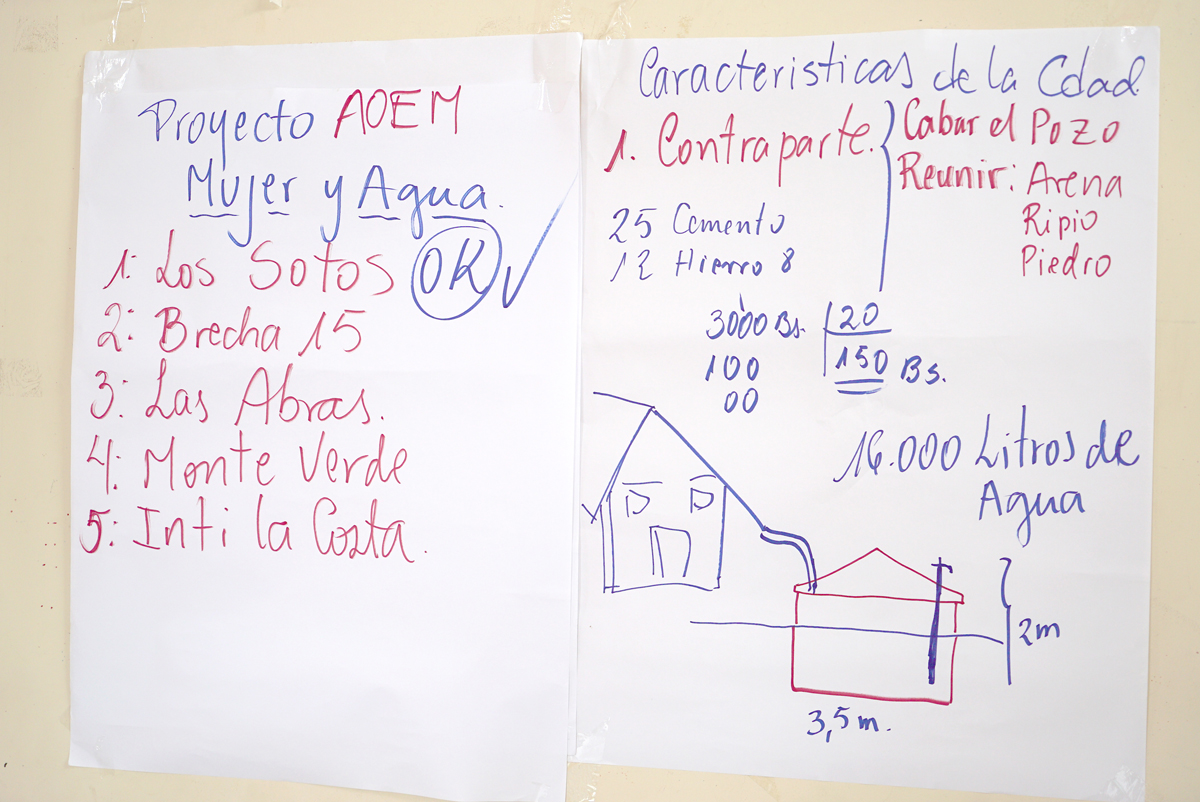
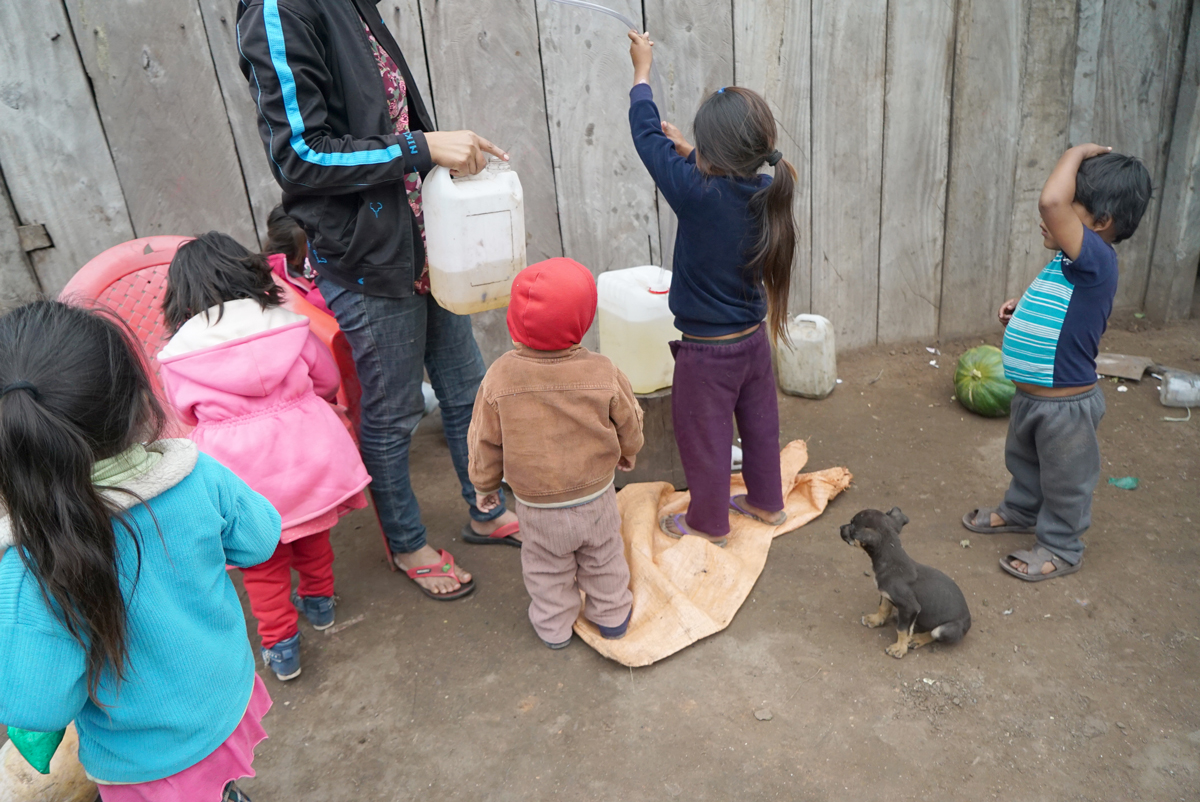
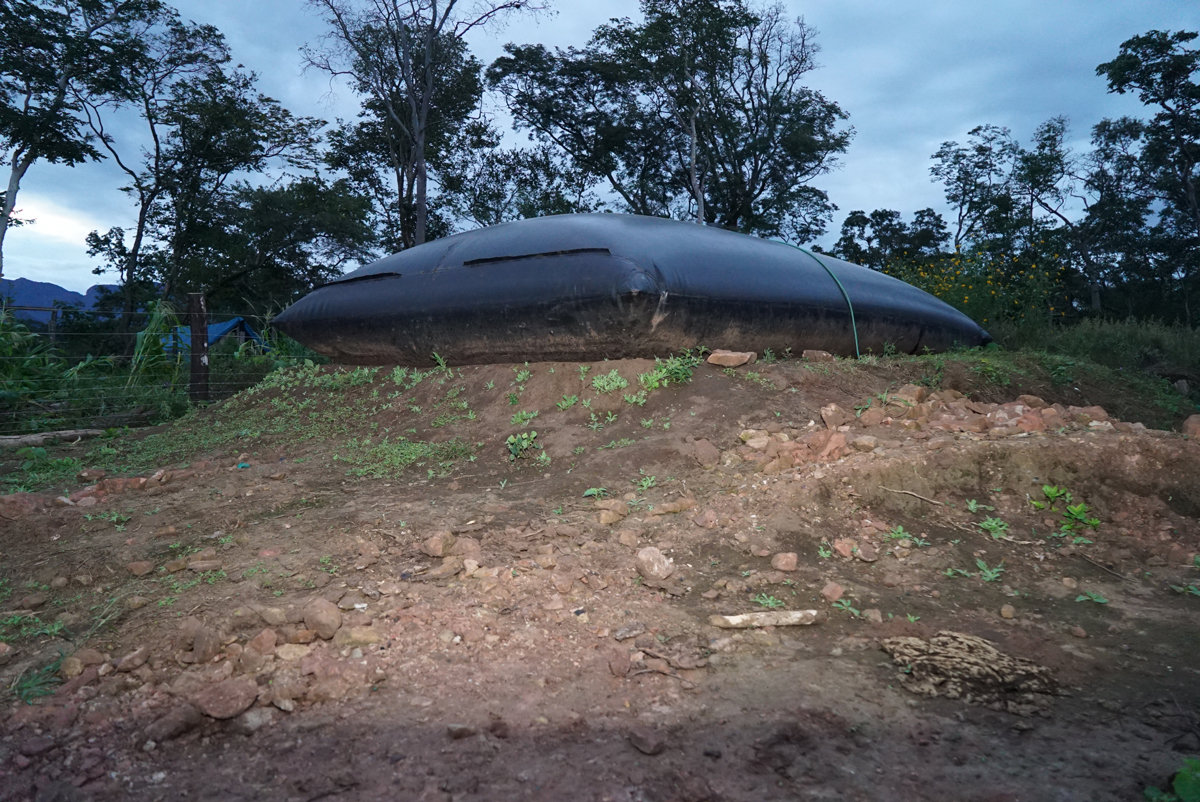
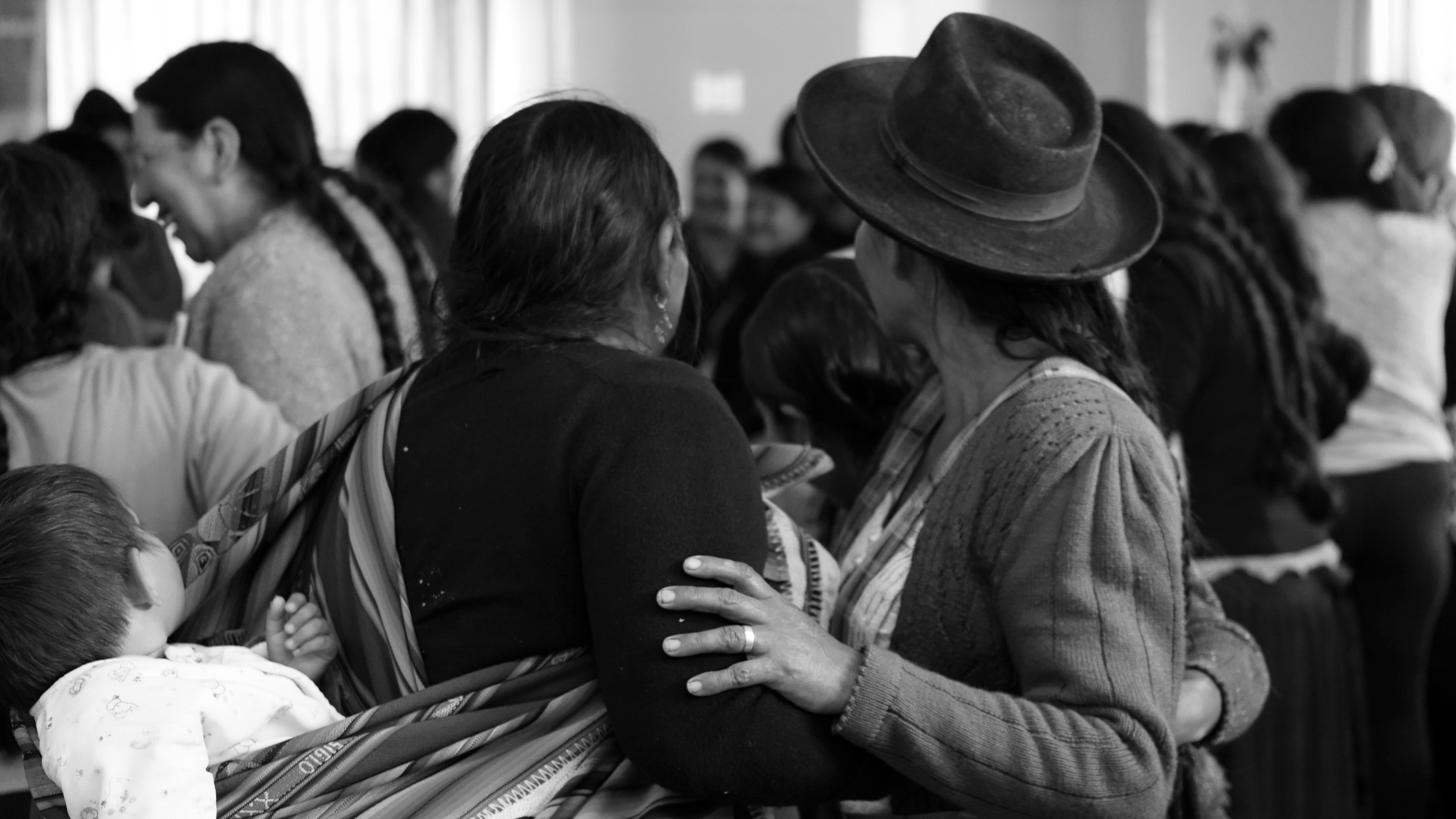
Agua y Mujer is a project initiated by the Bolivian NGO CCIMCAT (the Centre for the Training and Research of Rural Women of Tarija) to support indigenous and rural women in developing sustainable water management and ecological farming practices in the Tarija region. Focus on the reportage was the women's daily practices, especially those relating to the water tanks, as well as the collective forms of self-organisation they have developed.
Mi nombre is Maria
3 channel video installation, color, 00:15:19.
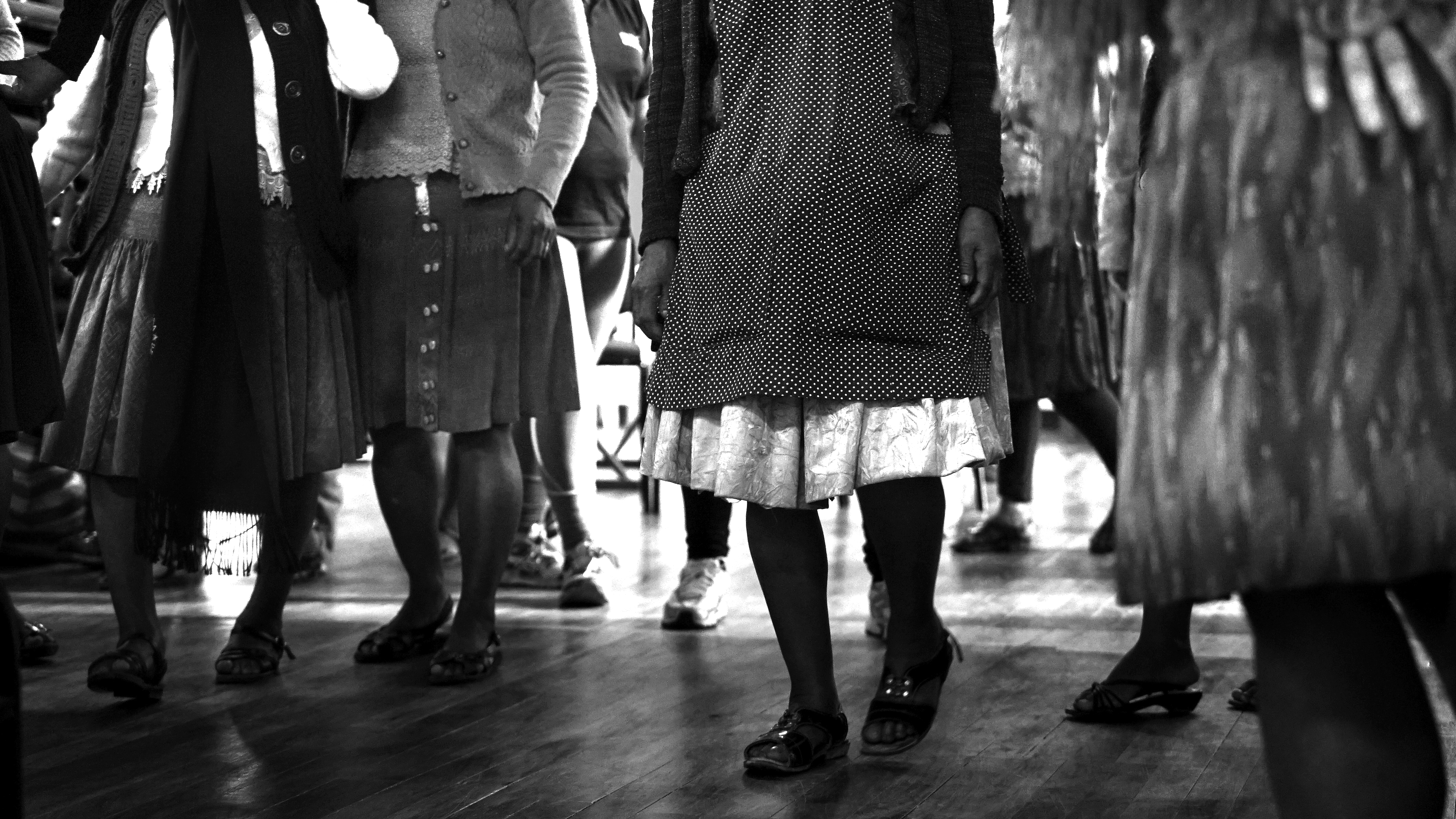
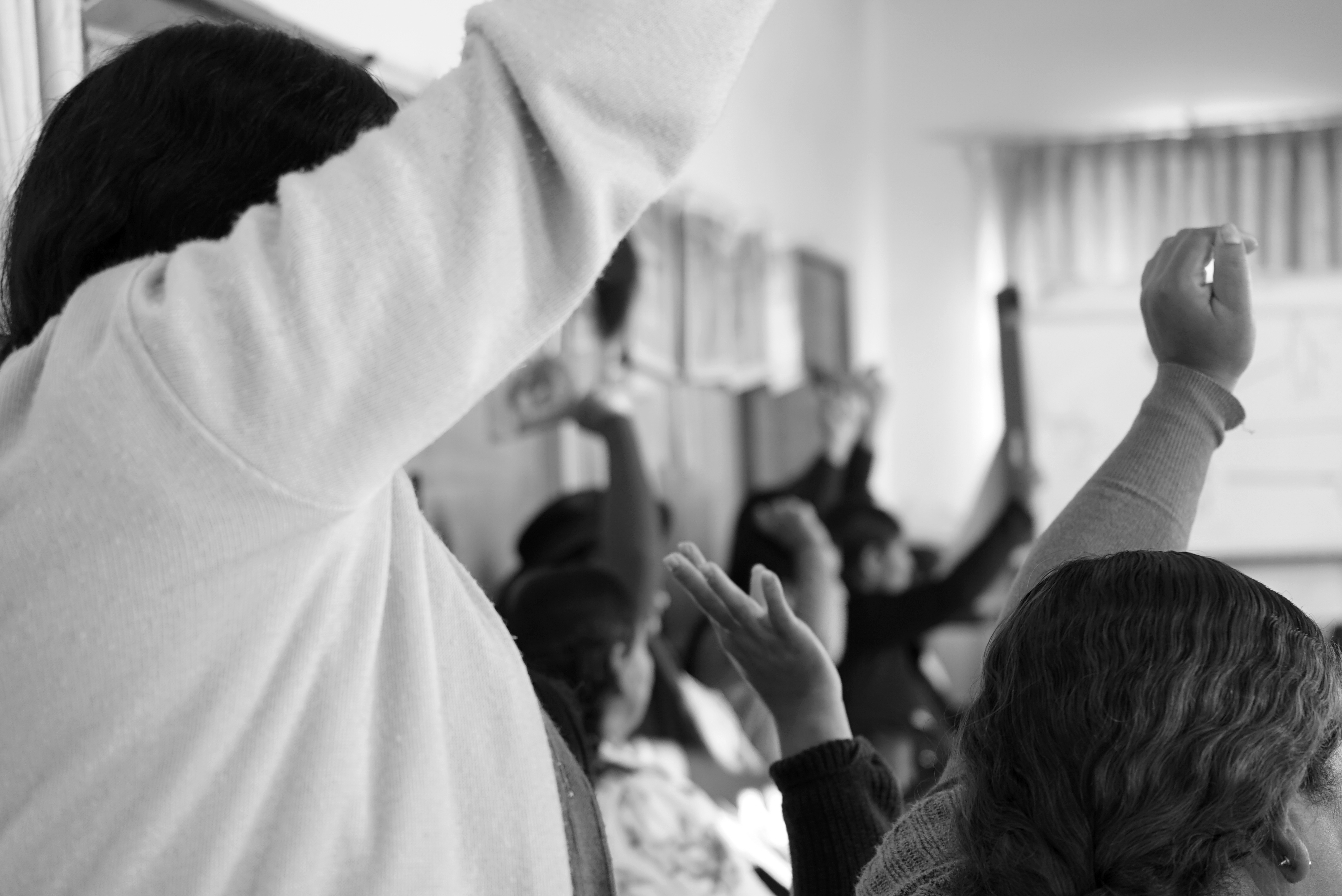
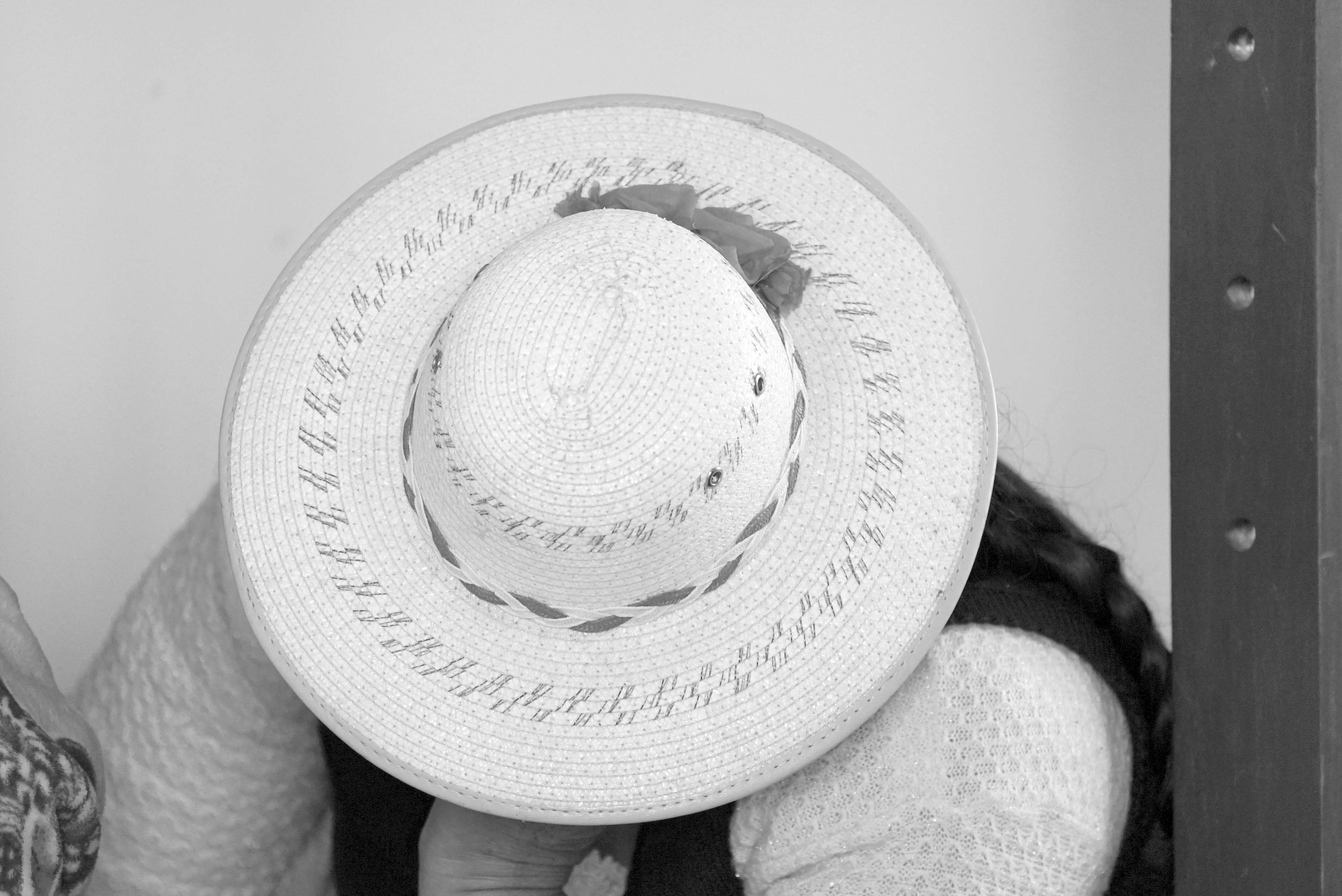
The long-term project explores performative gestures in film. In 2018 and 2019, I documented the meetings of the Bartolina Sisa National Confederation, one of the largest indigenous women’s organizations in Bolivia, advocating for political participation, land rights, education, and empowerment. The work also documents the therapeutic practice of psychodrama, led by Karin de Fries, in both the University of Psychology in Sucre and the Juana Azurduy Women’s Center. The installation shows moments from these sessions alongside the Bartolina meetings, highlighting collective processes. Only a small selection is presented here; further material can be shared upon request in order to protect the women portrayed.
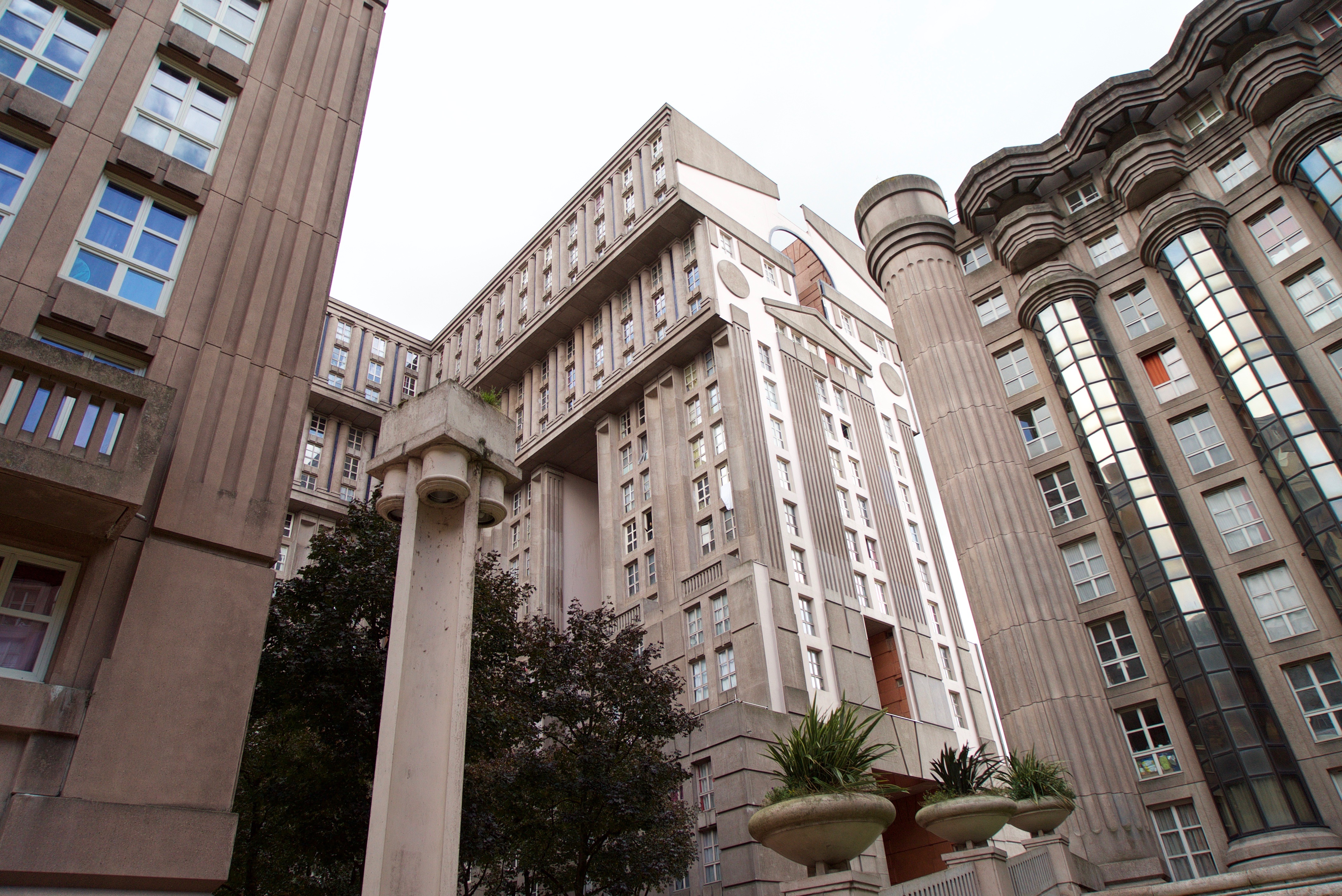
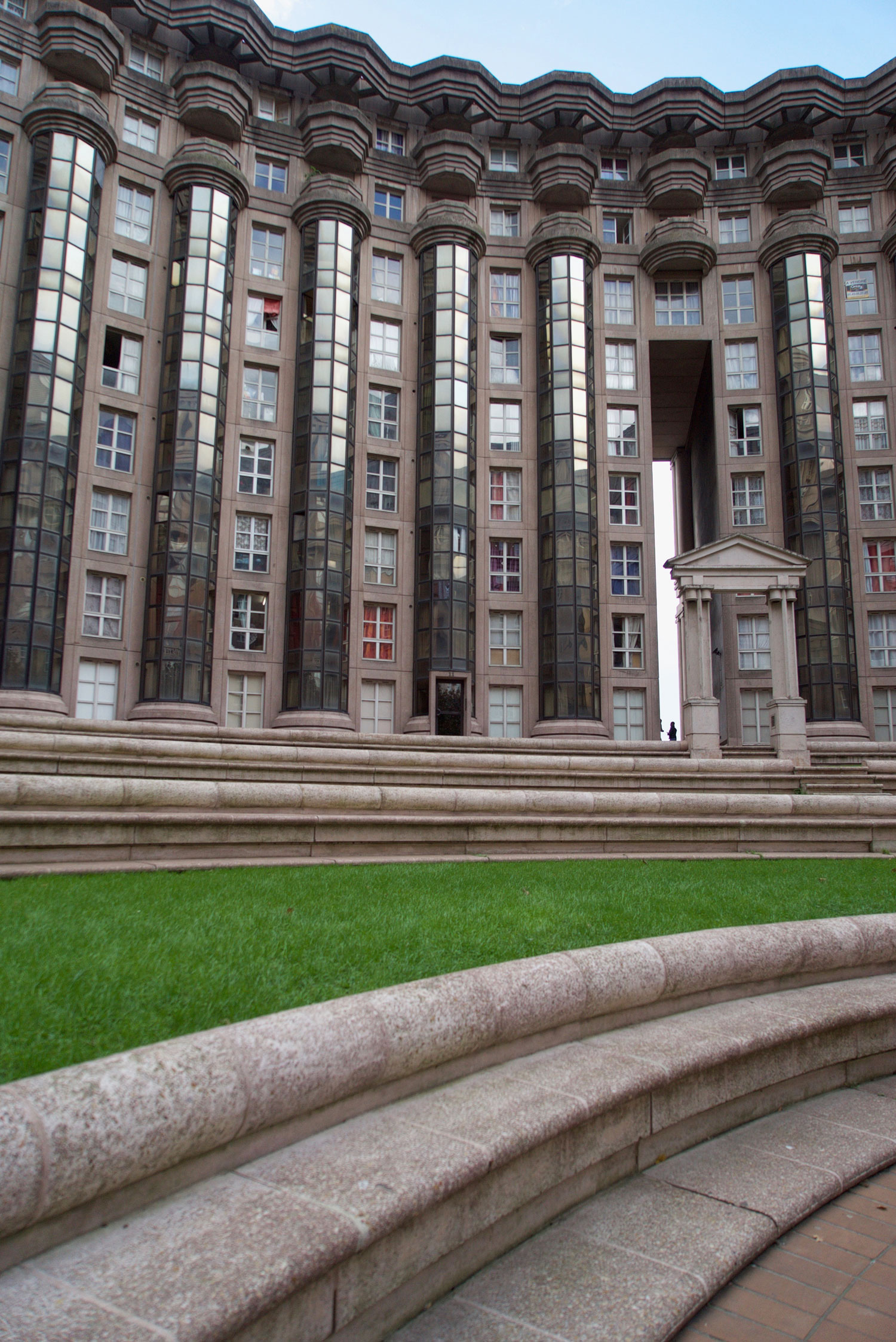
He calls it Versailles for the people (2019)
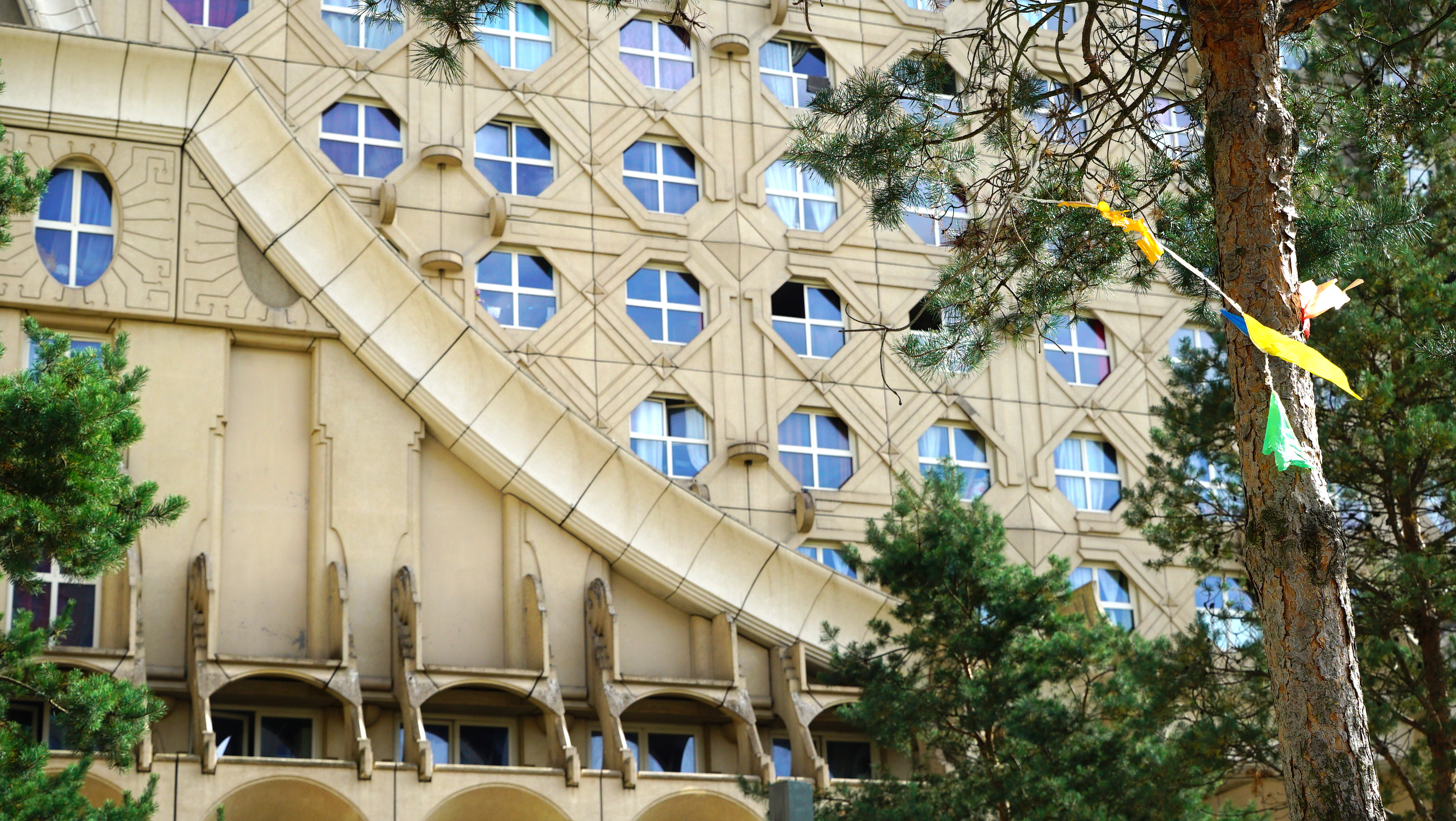
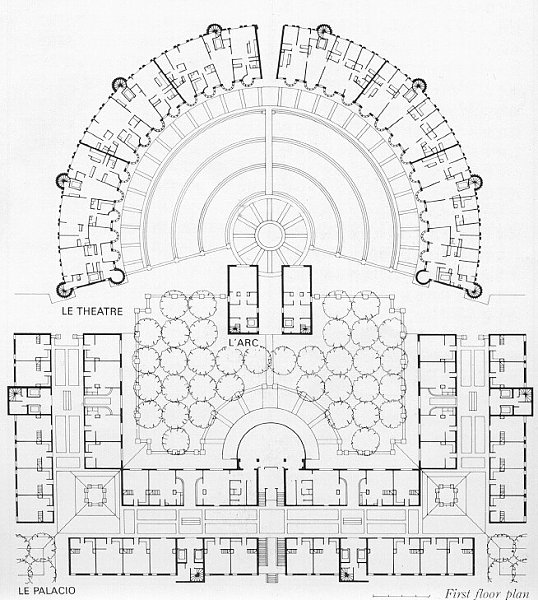
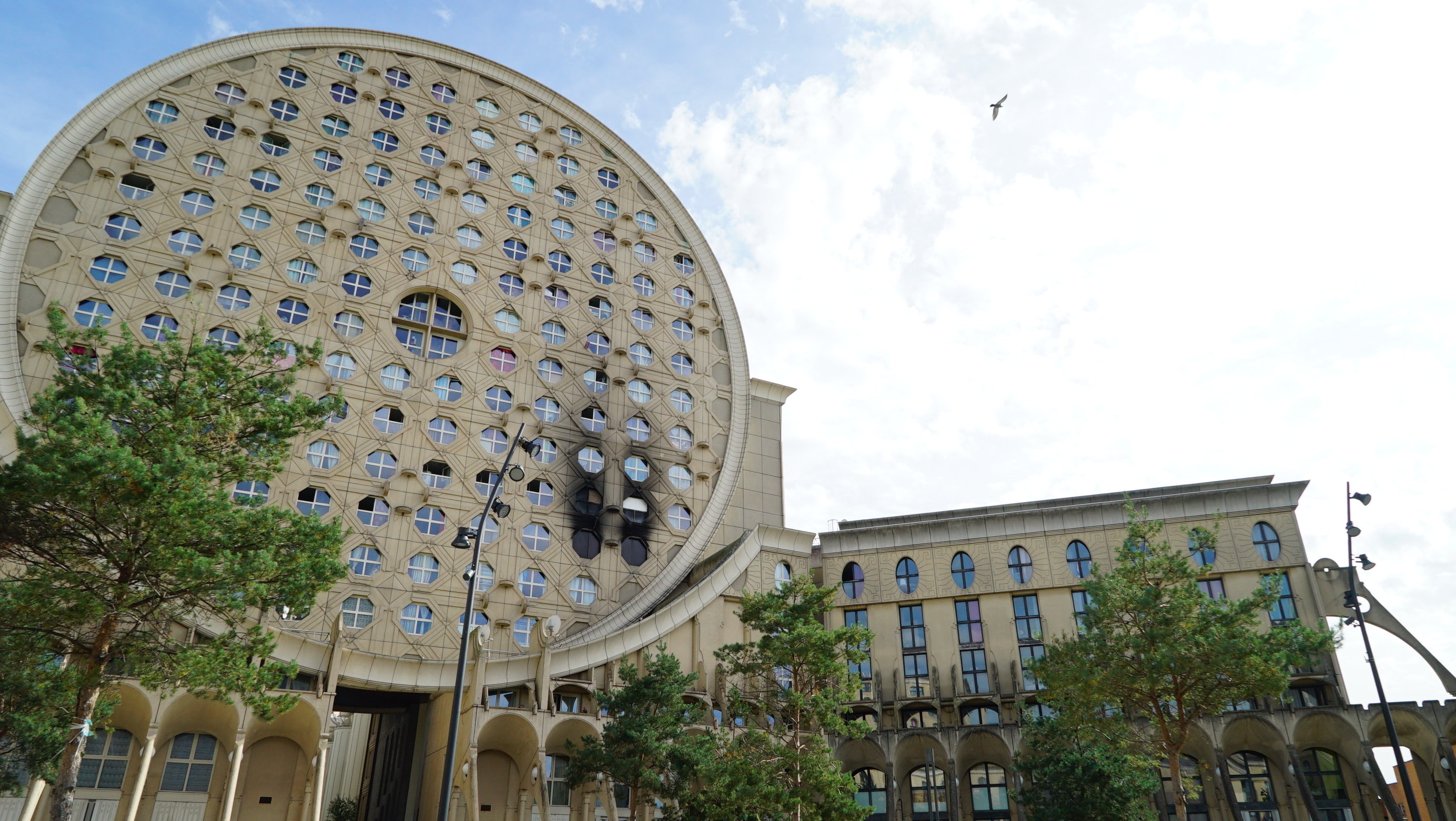
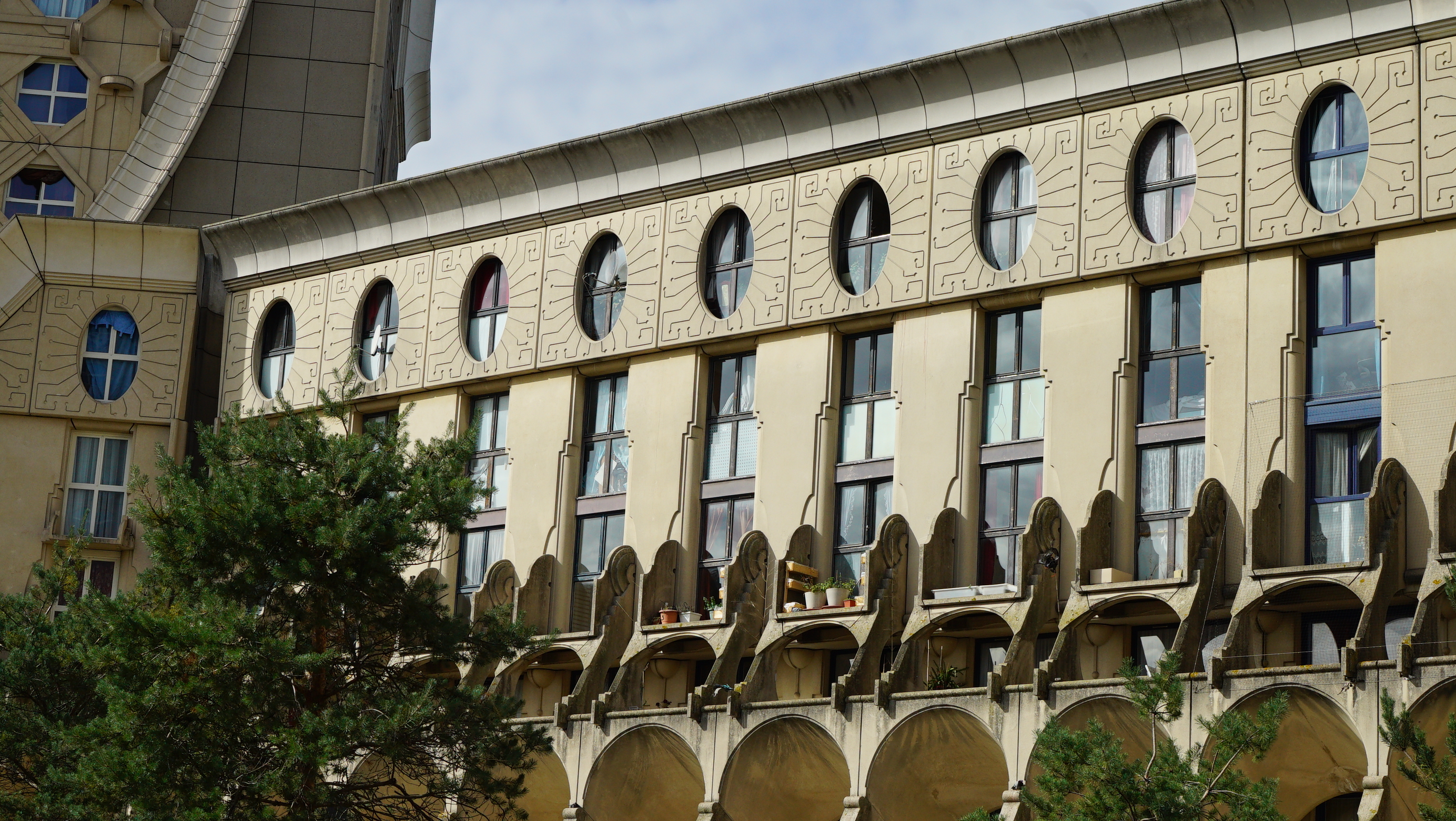
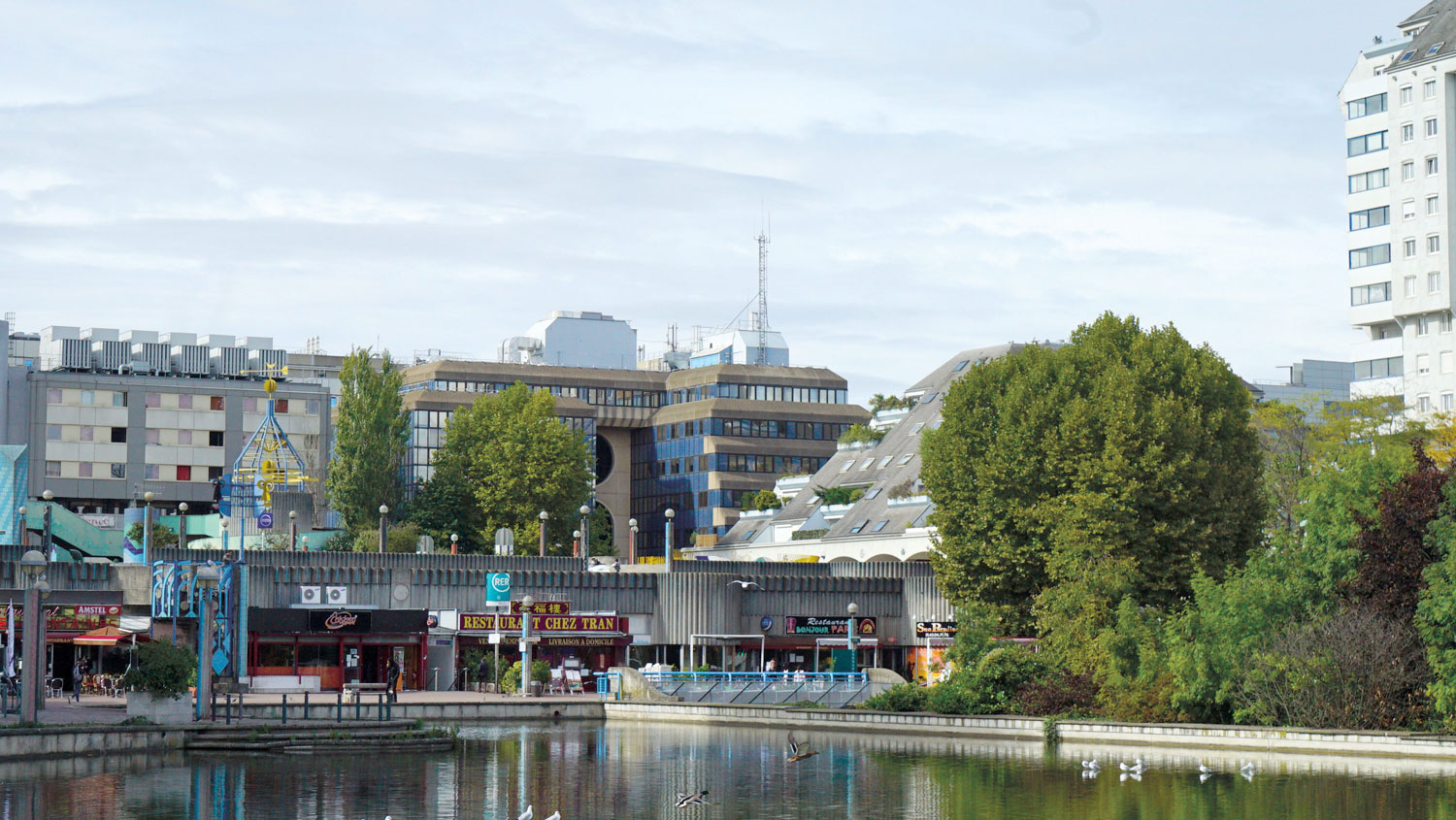
This photographic reportage shows on postmodern architecture of the late 1970s in Paris and its suburbs, with particular attention to the Orgues de Flandre in the 19th arrondissement and the housing complexes of Noisy-le-Grand, including the Espace d’Abraxas and the Arènes de Picasso.
Conceived as utopian visions of modernity for a post-industrial society, these large-scale residential structures aimed to redefine collective urban life. Drawing on neoclassical references, the architecture sought to create dignity, beauty and communal living within monumental forms — what architect Ricardo Bofill once described as “a Versailles for the people.”
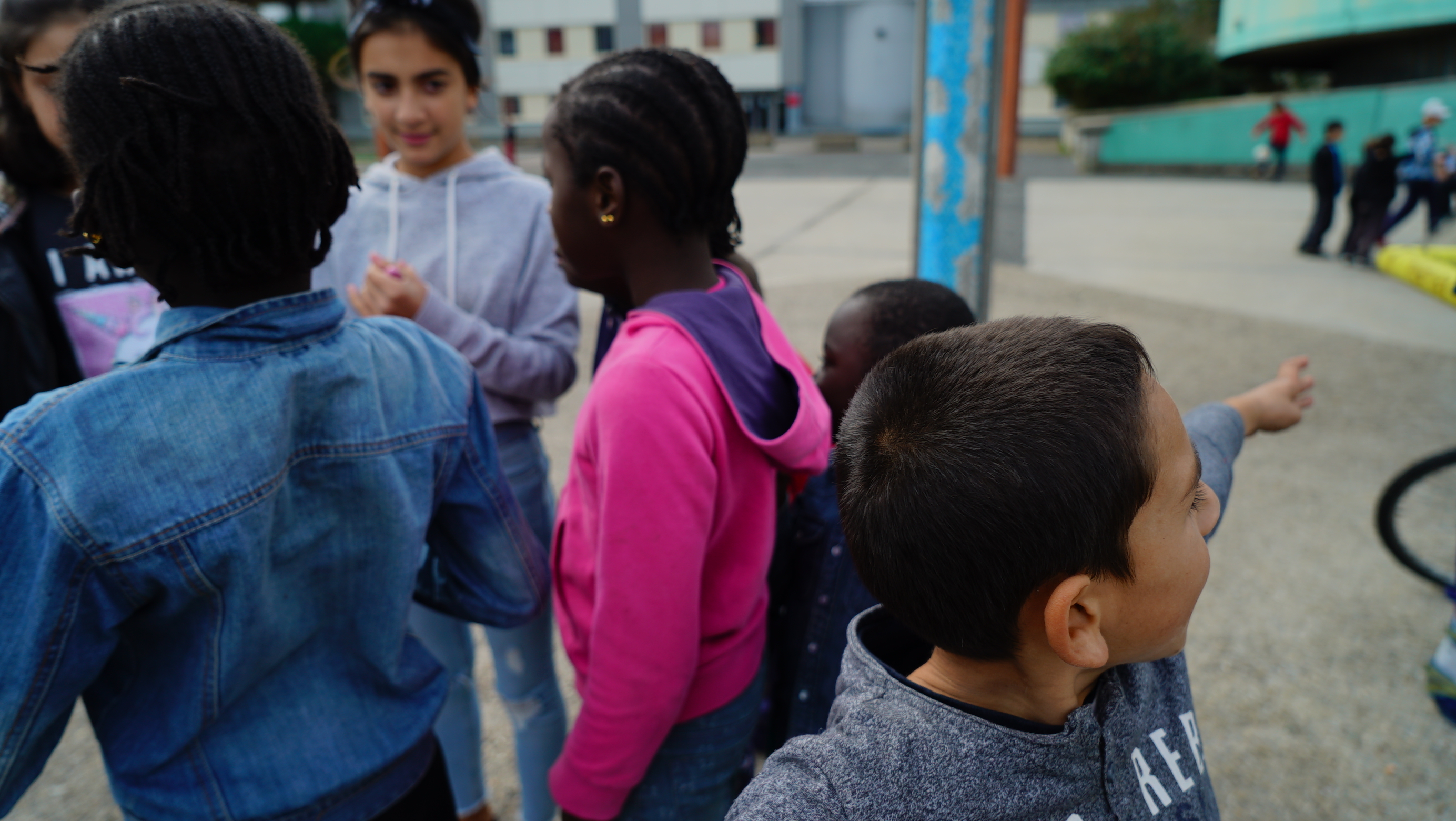
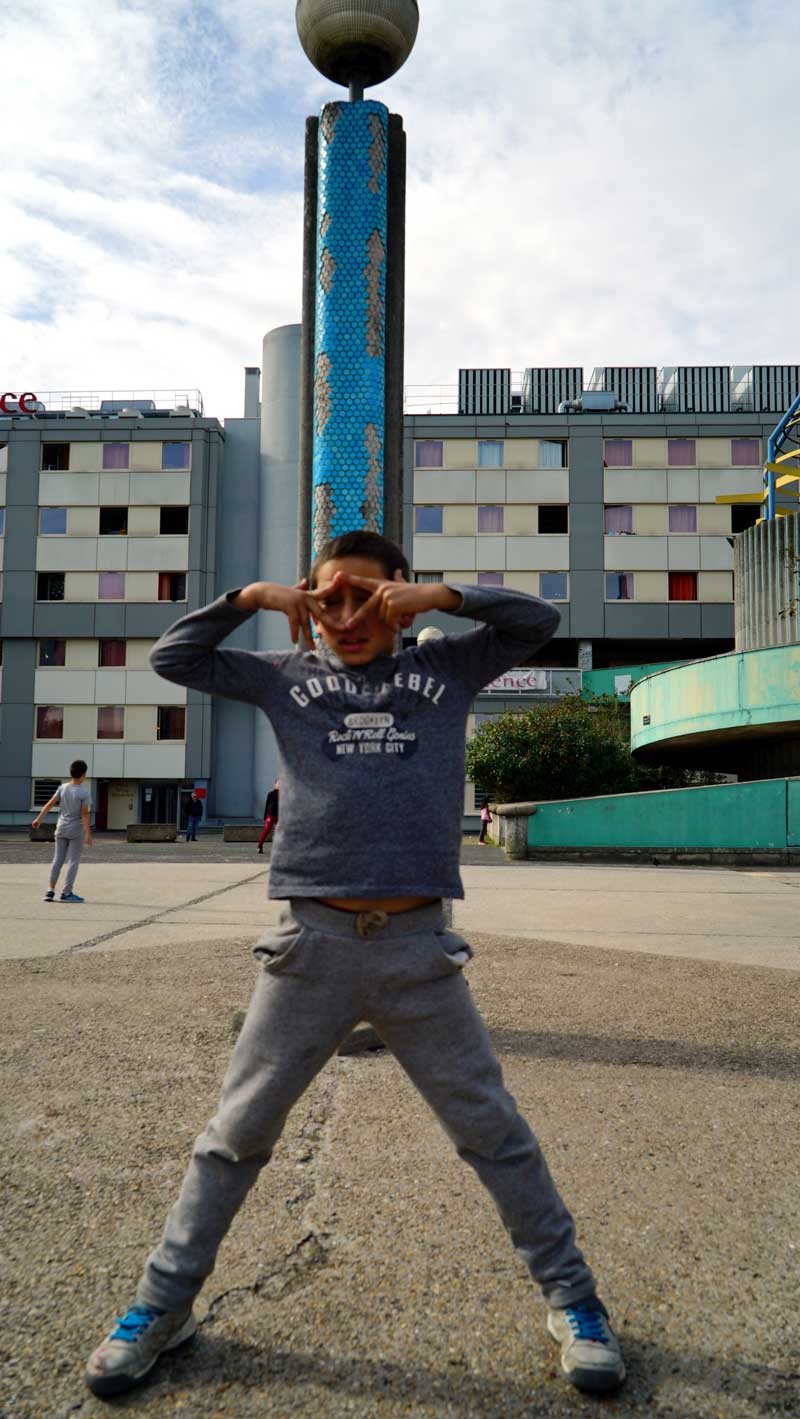
The work reflects on the gap between architectural idealism and lived reality, examining how these spaces are inhabited, perceived, and reinterpreted over time. A series of photographs documenting everyday life and social interactions with the children I met.
Chanting in Staircases (2017)
Presented at Galerie Marzahn
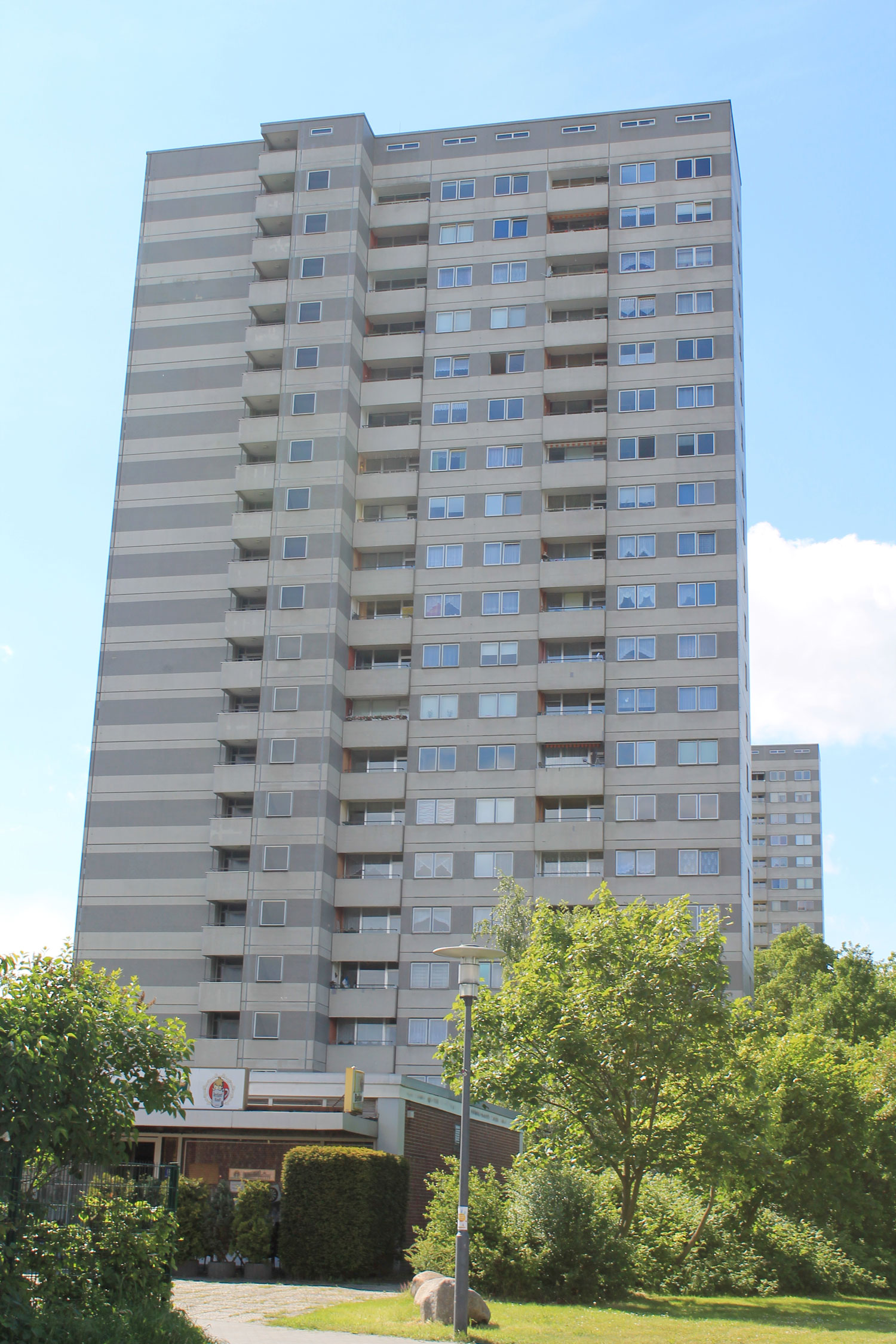
Marzahn was once the largest prefabricated housing estate in the GDR, with towers up to 21 storeys high. Over two weeks in the summer of 2017, I explored the stairwells of these buildings, singing in the staircases and engaging with their acoustic and spatial qualities. The echo of the chanting varied between buildings, creating distinct sound experiences in each space. Through this practice, I explored resonance, presence, and the relationship between body, architecture, and collective memory.
White Balance – Collage Painting and Installation
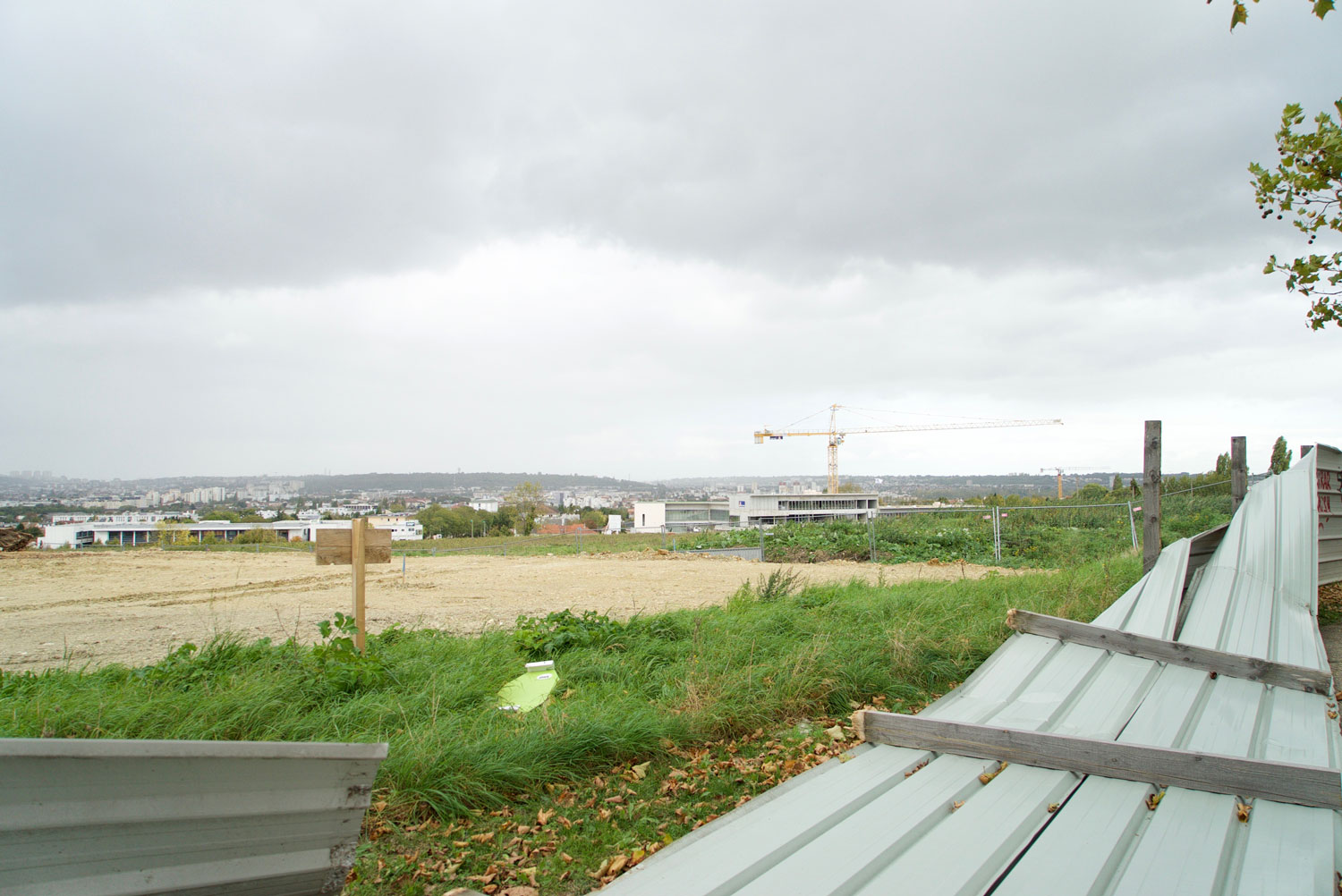
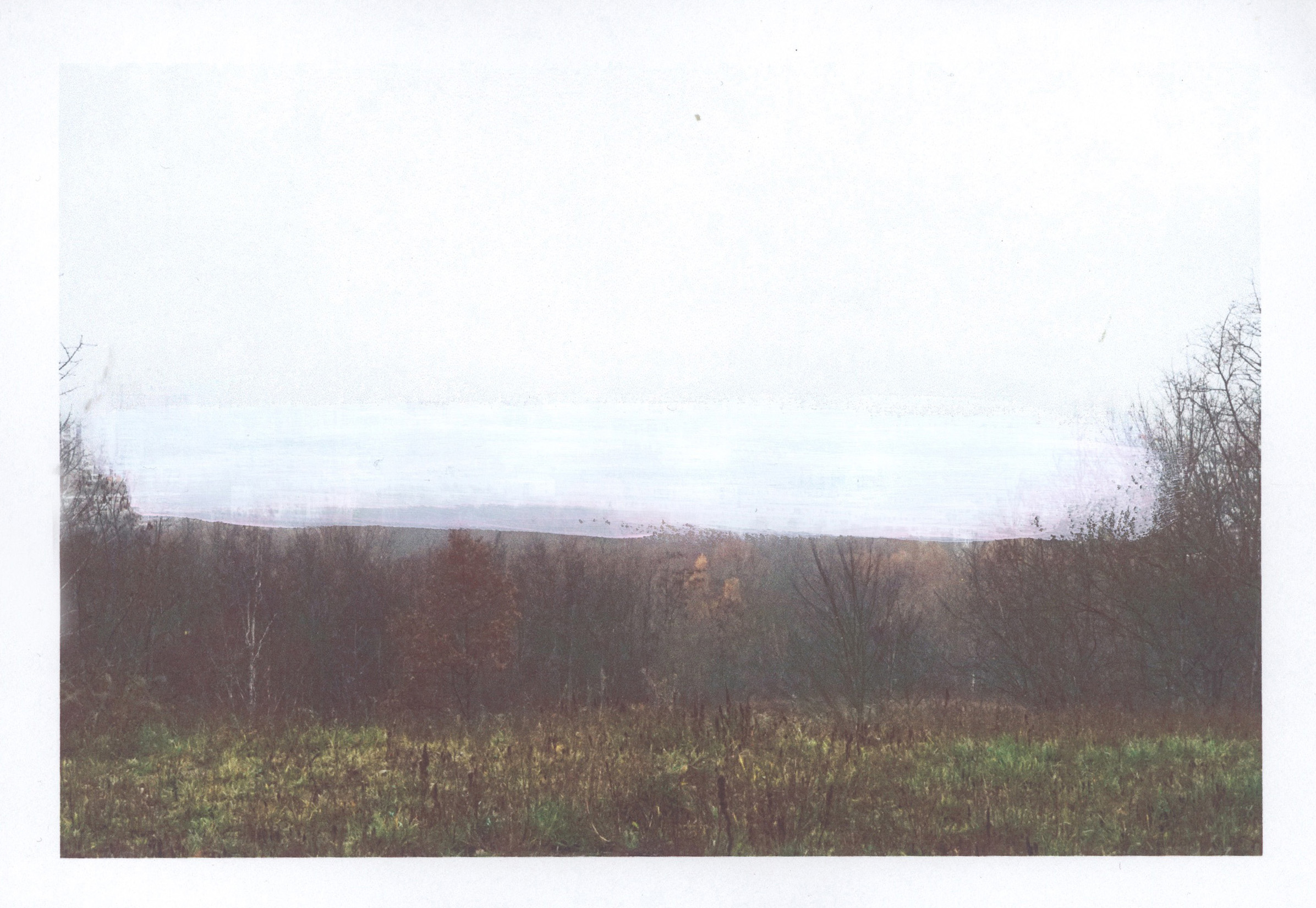
Forty years ago, Marzahn was mostly fields and meadows, until plans for a large, modern residential town emerged, built on utopian visions. Today, many of these visions have become reality, but they also open new possibilities and horizons.White Balance explores these ideas in public space by creating a counterpoint to the existing architecture, offering alternative ways of seeing. The work combines the landscape of Marzahn with elements from other landscapes, playing with perception and challenging familiar views. It reflects on how environments are experienced over time and seeks to open new perspectives beyond the practiced, everyday gaze.